
What Makes a Fusion Tapas Restaurant Work?
See what sets a fusion tapas restaurant apart, from shareable plates and craft drinks to a stylish, social setting built for every kind of night.
A great night out usually starts the same way: nobody wants a heavy meal, everybody wants a good drink, and the group can’t agree on just one kind of food. That is exactly where a fusion tapas restaurant earns its place. It brings variety to the table, keeps the mood social, and makes it easy to turn a quick meet-up into a full evening.
In Berkeley, that kind of format matters. People want flexibility. Sometimes it is happy hour after work. Sometimes it is a date, a group dinner, a wine night, or a last-minute plan that needs to feel a little more polished than the average bar. A fusion tapas restaurant fits those moments because it is built around movement, conversation, and choice.
Why a fusion tapas restaurant feels different
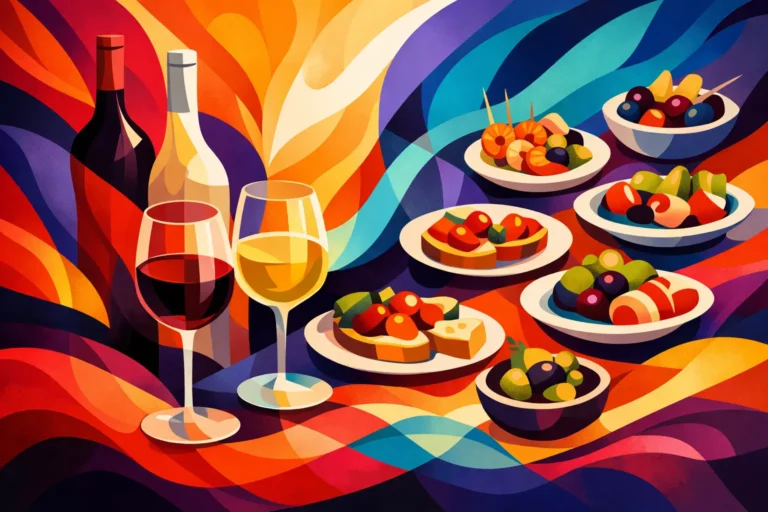
The biggest difference is not just the food. It is the pace of the experience. Traditional full-plate dining asks everyone to commit early. Tapas invites the table to build the night as it goes. Start with a few lighter plates, add another round if the mood is right, pair it with wine or cocktails, and keep the energy relaxed.
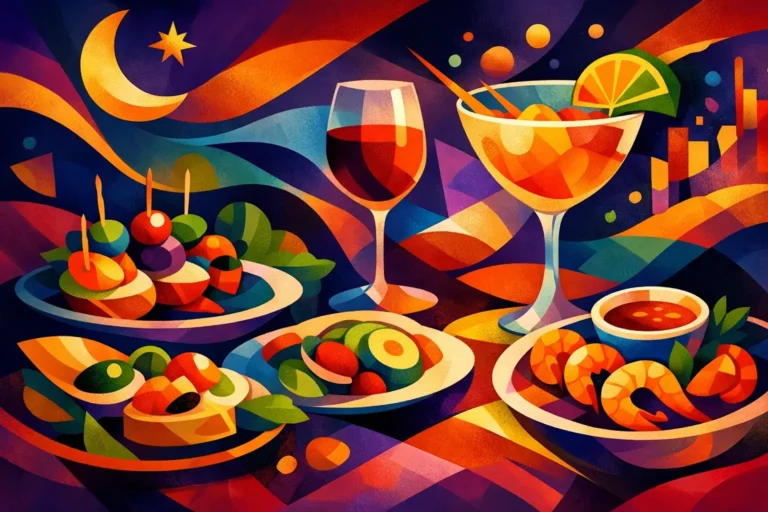
Fusion takes that format further. Instead of locking into one culinary lane, it opens the menu up to broader influences and more personality. You might see Latin accents next to Mediterranean freshness, Asian-inspired flavors next to classic wine-friendly small plates, or vegetable-forward dishes that feel bright instead of predictable. When it is done well, fusion does not feel random. It feels curated.
That curation matters for guests who want options without chaos. A smart fusion menu gives a group enough range to satisfy different tastes while still feeling cohesive. That is one reason this style works so well in a neighborhood setting. It can suit the person ordering a craft cocktail, the friend focused on a lighter meal, and the wine lover who wants a few plates built for pairing.
The social advantage of shareable dining
Small plates change the tone of the table. Instead of everyone disappearing into their own entree, food becomes part of the conversation. Guests compare bites, order another round, and stay engaged. That makes the experience feel more alive, which is exactly what many people want from a night out.
There is also a practical side. Shareable dining gives guests more control over budget, portion size, and pacing. You can keep it simple with a drink and two plates, or turn it into a longer meal without the all-or-nothing feel of a traditional dinner. For couples, it feels more interactive. For groups, it removes the stress of finding one menu category that works for everyone.
It also suits the way people actually gather now. Not every outing is a formal dinner reservation planned a week ahead. A lot of social occasions are somewhere in the middle – casual but intentional, easy but still elevated. Small plates make those in-between moments feel natural.
What guests want from the menu now
Today’s diners are not just looking for bold flavor. They are also paying attention to how the food fits the rest of the night. Heavy fried bar food has its place, but it does not always match an evening built around conversation, cocktails, or wine. A lighter, health-conscious tapas approach gives guests more flexibility.
That is one of the strongest reasons the format continues to grow. People want food that feels satisfying without shutting the night down. Fresh ingredients, balanced portions, and cleaner preparation methods can make a big difference. A no-frying approach, for example, creates a menu that still feels indulgent enough for going out while staying easier to share across the table.
There is a trade-off, of course. Some guests still expect the immediate comfort of heavier bar snacks, especially late at night or in larger groups. The best fusion tapas menus answer that by delivering flavor, texture, and variety without leaning on grease as the default. That balance is what keeps the experience broad and approachable rather than niche.
Drinks are not an extra – they are part of the concept
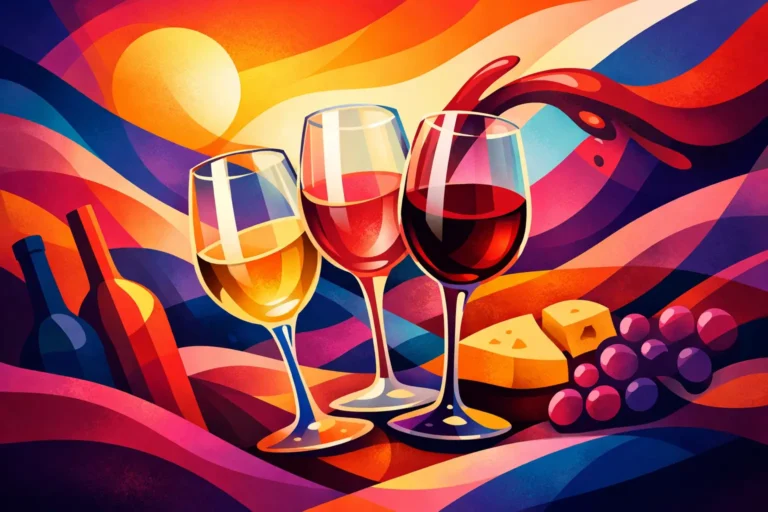
A fusion tapas restaurant works best when the beverage program is treated as part of the main attraction. Small plates naturally invite pairing, and that opens the door to a more layered night out. A crisp white with lighter seafood or vegetable dishes, a red with richer savory plates, a cocktail that adds contrast, or a craft beer that keeps the mood easy – each choice changes the experience.
This is where a venue can stand out fast. A rotating wine list, sommelier-curated selections, and tasting experiences create a reason to come in beyond a standard meal. The same goes for thoughtful cocktails and well-chosen craft beer. Guests do not always want a loud bar scene, but they do want a place with energy, style, and drinks that feel considered.
That combination is especially appealing in a city like Berkeley, where people often want something more elevated than a basic student hangout without stepping into a formal or expensive atmosphere. A strong beverage program gives the room polish. The tapas format keeps it relaxed.
Atmosphere matters more than people think
Food may bring guests in, but atmosphere often determines whether they stay for one round or three. For a fusion tapas restaurant, the setting has to support the social rhythm of the menu. That means comfortable seating, a layout that works for groups as well as couples, and a design that feels current without trying too hard.
Open-air flow, tall ceilings, and heated outdoor seating all add real value because they widen the ways people can use the space. A quick drink can become dinner. A dinner can become a tasting. A weekday meetup can turn into a private celebration. The more adaptable the room feels, the more often guests picture themselves coming back.
Style matters too, but not in a precious way. People want a place that looks good, photographs well, and feels put together. They also want to feel comfortable walking in without overthinking it. That mix – refined but easy – is where neighborhood loyalty starts.
Why the format works for more than one occasion
One of the biggest strengths of a fusion tapas restaurant is range. It can handle a lot of different guest needs without feeling stretched. A weekday happy hour crowd wants value and speed. A date night wants mood and variety. A group event needs shareable food and flexible ordering. Out-of-town visitors want something that feels local but polished.
That versatility is not accidental. The format is naturally built for layered hospitality. Guests can reserve a table, stop by for drinks, order a few plates before heading elsewhere, or plan a larger celebration. Add online ordering, pickup, delivery, and private event options, and the restaurant becomes useful in more parts of a guest’s life.
For a neighborhood brand, that matters. People return to places that solve different needs well. One night they want bottle specials and a relaxed catch-up. Another night they want curated wine and a more intentional meal. If the restaurant can do both without losing its identity, it earns repeat business.
What makes it worth choosing over a standard bar
The basic bar model is simple: drinks first, food second. That still works, but it is not enough for everyone. Many guests want a place that feels more complete. They want stronger design, better food, and a more thoughtful sense of occasion, even when the plan itself is casual.
A fusion tapas restaurant answers that by making food, drinks, and atmosphere work together. The experience feels social, but not sloppy. Stylish, but not stiff. You can come for one glass of wine and stay for a full spread of small plates. You can meet coworkers after work, bring friends in from out of town, or plan a birthday without needing a different venue for each kind of evening.
That is part of why BL Bar & Kitchen fits so naturally into the Berkeley mix. It offers the ease people want from a neighborhood spot with the curated feel they usually expect from somewhere more destination-driven. Craft beverages, healthy tapas, tasting experiences, and a design-forward setting all support the same idea: going out should feel special without becoming complicated.
The real appeal comes down to flexibility
At its best, this style of restaurant gives guests room to shape the night around what they actually want. Maybe that is a weekday happy hour with a few shareable plates. Maybe it is a bottle of wine on a Wednesday, a cocktail on the patio, or a group dinner that does not feel too formal. The point is not just variety for its own sake. The point is having options that still feel cohesive, current, and worth repeating.
That is why the fusion tapas format keeps working. It meets people where they are – social, selective, budget-aware, and still looking for a place that feels a little elevated. When the food is fresh, the drinks are curated, and the room feels welcoming, choosing where to go out gets a lot easier.
If you are looking for a spot that can carry a casual plan and still make the night feel well chosen, a fusion tapas restaurant is often the right move.