Wine Bar vs Cocktail Bar for Berkeley Nights
Wine bar vs cocktail bar: compare atmosphere, drinks, food, and occasions to choose the right Berkeley spot for happy hour, dates, and group nights out.
A Thursday plan can change fast. One friend wants a crisp glass of wine and something light to share. Another wants a spicy margarita. That is where the wine bar vs cocktail bar question becomes less about labels and more about the kind of night you want to have.
Both can be great for a date, a post-work drink, or a group catch-up. The difference is usually in the pace, the menu, the atmosphere, and how much room there is for everyone at the table to choose their own direction. For Berkeley nights, the best answer is often a place that feels polished without asking anyone to be precious about it.
Wine Bar vs Cocktail Bar: The Core Difference
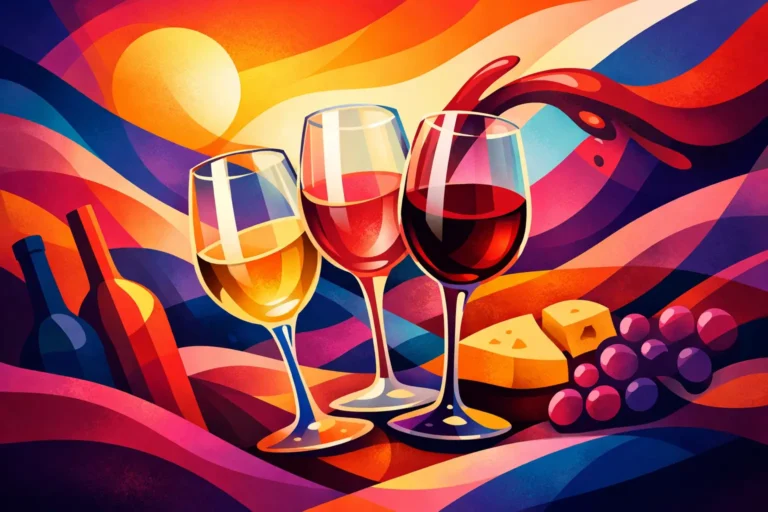
A wine bar puts the bottle and the glass at the center of the experience. The list is typically curated by region, grape, style, or producer, and guests may be encouraged to try a flight, order a bottle for the table, or pair a pour with food. The mood often leans conversational. Wine naturally invites a slower pace, especially when there are small plates involved.
A cocktail bar is built around the craft of the drink itself. The menu may feature classics, house signatures, seasonal ingredients, premium spirits, and creative garnishes. A good cocktail bar can feel energetic and theatrical, even when the room is intimate. Guests often arrive with a specific craving: an old fashioned, a martini, a mezcal drink, or something completely new.
Neither format is automatically more refined. A thoughtful wine list can be as relaxed as a neighborhood patio, and a cocktail program can be as focused and food-friendly as a restaurant. What matters is whether the menu and setting match your occasion.
Choose a Wine Bar When the Table Is the Main Event
Wine bars work especially well when the goal is to settle in. A bottle gives a group an easy center point, and the rhythm of ordering feels less rushed than individual cocktails. It is a natural choice for a first date, a reunion with friends, a family visit, or an early evening that may turn into dinner.
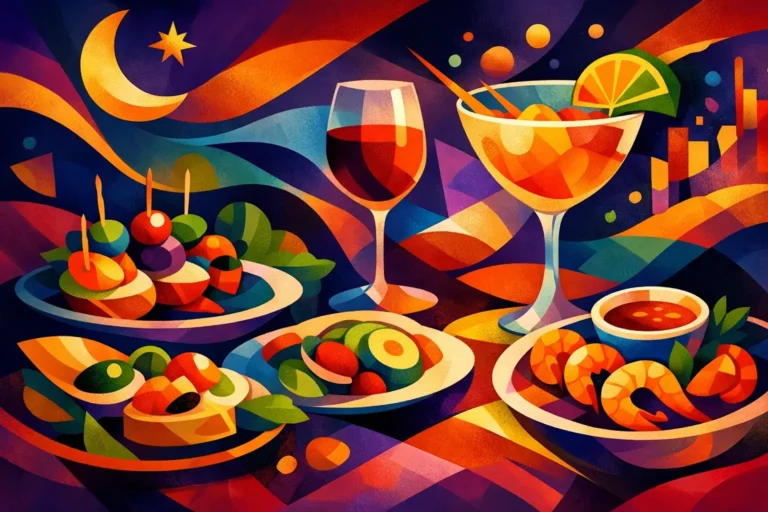
The food matters here. Wine tastes better with something on the table, but that does not have to mean a heavy meal. Fresh, shareable tapas make the experience more social: vegetables with bright sauces, seafood, cheese, seasonal plates, and savory bites that hold up beside a chilled white or medium-bodied red.
A wine-focused setting is also a strong fit for guests who want guidance without a lecture. A well-trained server can help someone find a glass based on flavor rather than wine vocabulary. If you know you like citrusy, dry, fruity, earthy, or bold, you already have enough information to start.
Best occasions for wine
Choose wine when you want conversation to lead, food to play a real role, and the option to linger. It is also ideal for bottle specials, tasting experiences, and groups with mixed confidence levels. One guest can explore a new varietal while another stays with a familiar sparkling wine.
The trade-off is simple: if your group wants highly customized drinks or has very different spirit preferences, a wine-only destination can feel limiting. That is when a broader beverage program makes the night easier.
Choose a Cocktail Bar When the Drink Is the Occasion
Cocktail bars shine when people are excited about what is in the glass. Maybe the plan starts after dinner. Maybe you are meeting colleagues for one round before a show. Maybe you want a drink that feels more distinctive than opening a bottle at home.
A quality cocktail program gives you range. You can keep it classic with a negroni or French 75, order something bright and low-proof, or choose a spirit-forward drink with depth. Seasonal cocktails also make repeat visits more interesting, especially for regulars who like to see what has changed.
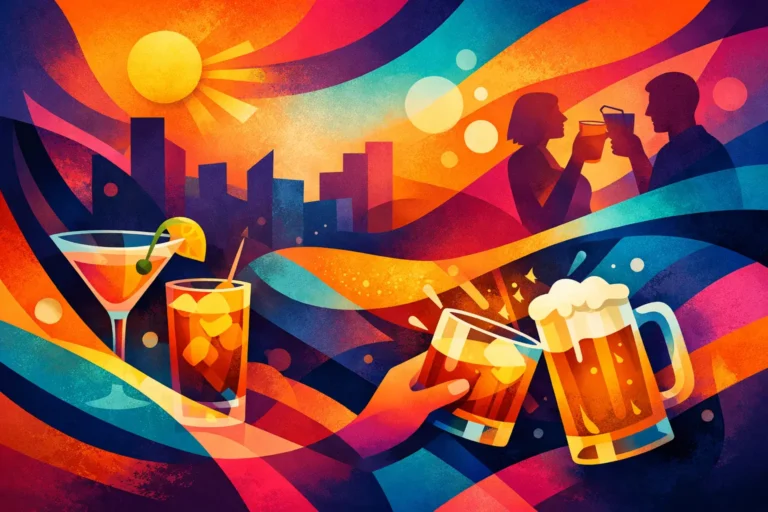
The atmosphere can be more upbeat, too. Cocktail bars often suit celebrations, later reservations, and small groups that want a little energy around them. The best ones still make room for conversation. Loud music and crowded standing room can work for a big night out, but they are less useful when the point is to actually catch up.
Best occasions for cocktails
Choose cocktails when you want variety, a more animated mood, or a drink tailored to your taste. They are a strong choice for birthday toasts, date nights with a little edge, and after-work plans where everyone wants something different.
The trade-off is price and pace. Handcrafted cocktails take more time and often cost more than a single glass of wine or beer. If your group plans to stay for a full meal, share several plates, and keep the bill comfortable, happy hour pricing and a menu with multiple beverage options can make a bigger difference than the bar category.
Food Changes the Entire Comparison
The old idea that wine bars are for snacks and cocktail bars are for drinks is too narrow. For most guests, the better question is: can we make a full evening of this?
A full-service bar and restaurant gives a group more flexibility. Someone can order a sommelier-selected red with dinner, someone else can choose a gin cocktail, and another person can stick with craft beer. Nobody has to compromise just because the venue has one identity on the sign.
This matters even more for social dining. Shareable food keeps the table connected, and lighter tapas can make a second round feel appealing instead of excessive. A no-frying approach is especially welcome when you want flavorful plates without the usual bar-food heaviness. You can meet for drinks, add a few dishes, and still leave feeling ready for the rest of the night.
At BL Bar & Kitchen, that flexibility is part of the appeal: curated wines, cocktails, craft beer, and healthy tapas share the same stylish, relaxed setting. It is a practical answer when one person says wine bar and another says cocktail bar.
Atmosphere: Quiet Sophistication or Social Energy?
Wine bars often signal warmth and ease. Think softer lighting, seated tables, bottle service without the nightclub attitude, and a room designed for staying awhile. They can be romantic, but they are not only for dates. A good wine bar also works for friends who want an unhurried place to talk.
Cocktail bars can bring more visual drama. The bar itself may be the focal point, with bartenders shaking, stirring, and building drinks in view. That energy is part of the fun. Still, the best cocktail spaces balance style with comfort, offering enough seating for guests who do not want to spend the night standing in line for another round.
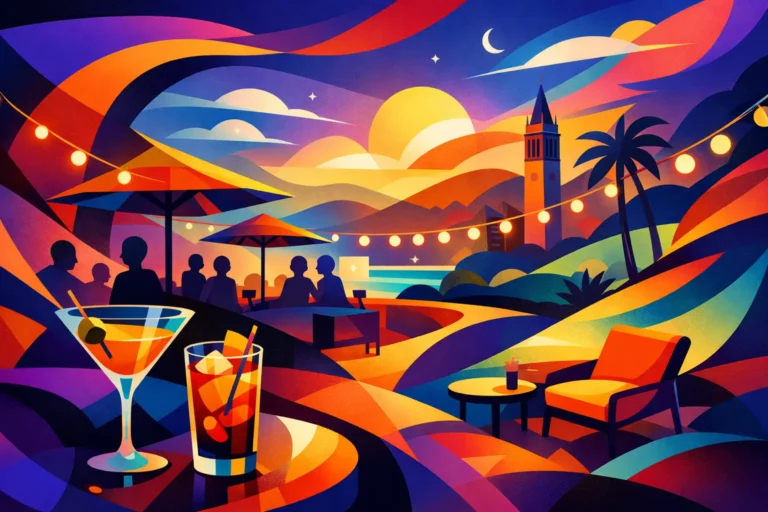
For Berkeley, the sweet spot is often contemporary and welcoming rather than overly formal. Tall ceilings, open-air details, lounge-style seating, and heated outdoor space can make a venue feel like a destination while remaining easy to use for a casual Tuesday. A room should support the plan, not make the plan harder.
What to Look For Before You Choose
If you are choosing between venues, look beyond the headline. Check whether there are wines by the glass that rotate, cocktails that feel intentional rather than generic, and food that can carry a meal. Consider whether the space takes reservations, has outdoor seating, and can accommodate a group without splitting everyone into awkward corners.
Value matters, too. A weekday happy hour can make an elevated night feel spontaneous instead of expensive. Bottle discounts are useful for wine lovers, while cocktail specials give groups a low-pressure way to try the menu. If you are planning a birthday, work gathering, or visiting-family dinner, private event options may be more important than whether the venue calls itself a wine bar or cocktail bar.
Also think about timing. Earlier in the evening, wine and tapas can set a relaxed tone. Later on, cocktails may better match the room’s energy. There is no rule that says you have to choose one format for the entire night.
The Better Choice Is the One With Range
A dedicated wine bar is hard to beat when you want to explore bottles, enjoy food pairings, and make conversation the main event. A dedicated cocktail bar wins when creative drinks, spirits, and a livelier pace are the point. But for most real-life plans, the ideal venue offers enough range to keep everyone happy at the same table.
Pick the place where your group can order a beautiful glass of wine, a well-made cocktail, a few fresh plates, and one more round if the conversation is going well. That is usually the kind of night people remember – and the kind they are happy to plan again next week.