8 Best Wines for Small Plates at Your Table
Find the best wines for small plates, from bright sparkling bottles to silky reds, with easy pairing ideas for tapas, happy hour, and sharing with friends.
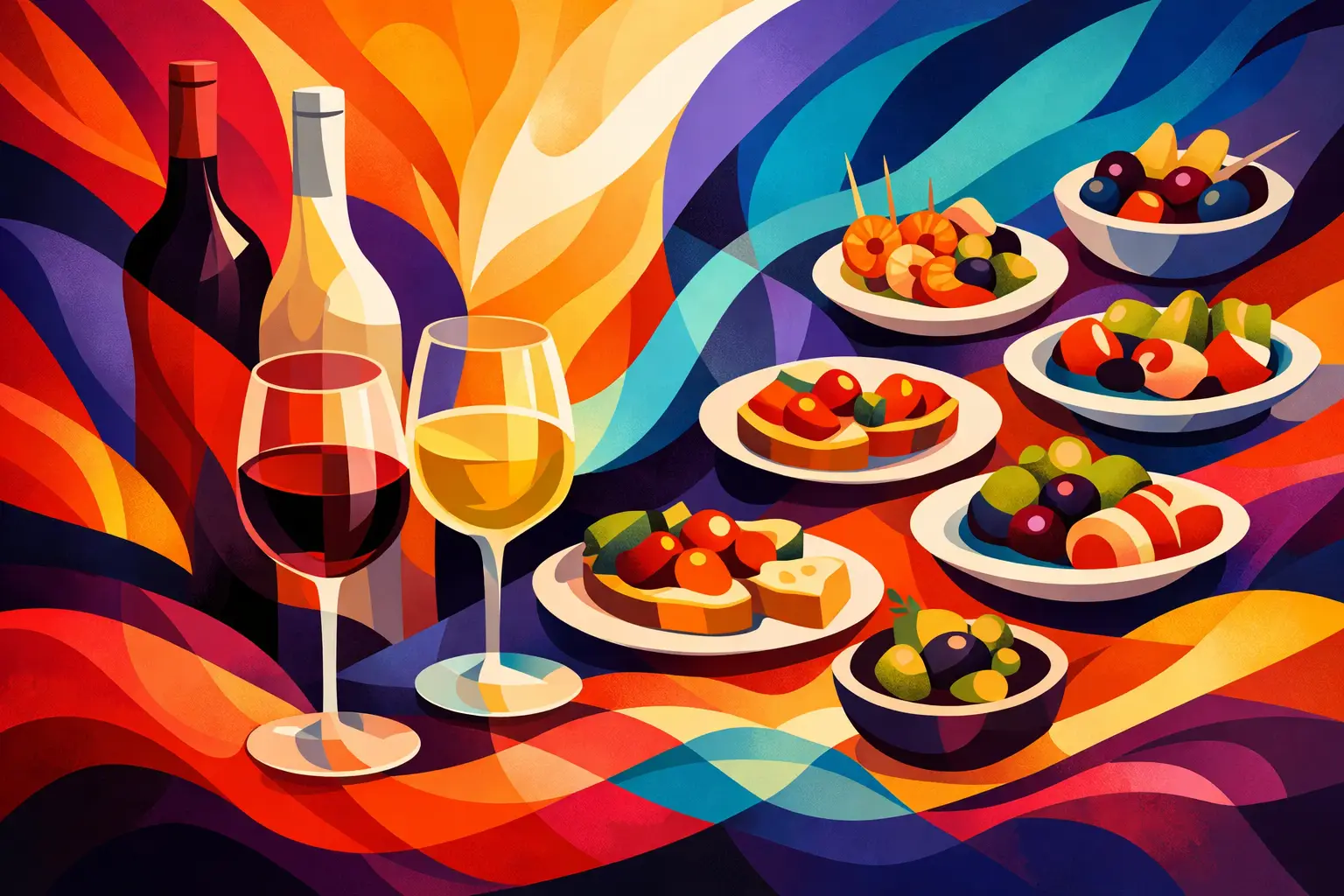
A table full of small plates asks more of a wine than a traditional dinner pairing. One bite may be salty, the next herbaceous, smoky, spicy, or creamy. The best wines for small plates have enough freshness to reset the palate, enough personality to hold their own, and enough flexibility to move easily from the first shared plate to the last pour.
That is why wine for tapas-style dining is less about finding one perfect match and more about choosing a bottle that keeps the table moving. Start with acid, moderate alcohol, and a style that welcomes contrast. Then let the food, the occasion, and the people around the table guide the rest.
What Makes a Wine Work With Small Plates?
Small plates create a pleasant pairing problem: variety. A crisp salad, charred vegetables, marinated seafood, cheese, and a richer meat dish can all arrive within minutes of each other. A heavy, highly oaked wine may dominate the lighter plates, while a thin wine can disappear next to spice or deep savory flavors.
Freshness is the common denominator. Wines with lively acidity, restrained oak, and clean fruit make food taste more defined rather than more complicated. Sparkling wine is a natural favorite because bubbles cut through creamy textures and salty snacks. Bright whites handle citrus, herbs, and seafood. Light reds bring enough structure for grilled dishes without taking over the table.
Temperature matters, too. Serve sparkling wine and whites well chilled, but not ice-cold, so the aromatics can open up. Light reds are often better with a short chill. That little bit of coolness makes them especially easy to drink alongside a wide spread of food in Berkeley’s warmer afternoons or a lively evening on the patio.
8 Best Wines for Small Plates
1. Brut Sparkling Wine for Salty, Crispy, and Creamy Bites
Brut sparkling wine is the bottle to order when the table has not decided where the meal is going yet. Its bubbles and acidity refresh the palate after salty cheeses, creamy dips, roasted nuts, crisp potatoes, and rich spreads. It also plays well with seafood and anything finished with a bright squeeze of lemon.
Brut is dry, but it is not severe. Look for lively citrus, apple, and lightly toasty notes. This is a smart opening bottle for happy hour because it feels celebratory without requiring a special occasion. If your group orders widely, sparkling wine is often the safest first move.
2. Albariño for Seafood, Citrus, and Fresh Herbs
Albariño brings zippy acidity, juicy stone fruit, and a subtle saline quality that makes it especially good with seafood-forward plates. Think shrimp, citrus-dressed fish, oysters, mussels, or vegetables with lemon and herbs. It can also brighten salty olives and tender cheeses without becoming sharp or overly lean.
Choose Albariño when you want a white wine that feels energetic and polished. Its coastal character gives it more interest than a simple crisp white, yet it remains easy for the whole table to enjoy. It is particularly well suited to lighter, cleanly prepared dishes where fresh ingredients are doing the talking.
3. Sauvignon Blanc for Green, Bright, and Tangy Plates
Sauvignon Blanc is built for tang. Its high acidity and herbal lift make it a strong pairing for goat cheese, green salads, fresh salsa, cucumber, chimichurri, and plates with bright vinaigrettes. If the food includes jalapeño, mint, cilantro, or citrus, Sauvignon Blanc usually finds a way in.
There is a trade-off. Very grassy or intensely sharp examples can make delicate food taste flatter. For a broader table, choose a balanced Sauvignon Blanc with ripe citrus and tropical notes rather than one that is all cut grass and acidity. It will still be refreshing, with a little more generosity.
4. Dry Rosé for the Mixed-Plate Table
Dry rosé is the social wine of small-plate dining. It has the cool refreshment of a white wine with enough berry fruit and body to work with grilled chicken, cured meats, roasted vegetables, tuna, and mildly spicy dishes. When the group is ordering a little of everything, rosé is rarely a bad call.
Look for a dry style with notes of strawberry, watermelon, citrus peel, and herbs. Avoid assuming every pink wine is sweet. Most modern rosés are made dry, and that crisp finish is exactly what makes them so useful with food. A chilled bottle on a shared table has an easy, relaxed kind of polish.
5. Grüner Veltliner for Vegetables and Gentle Spice
Grüner Veltliner deserves more attention at tapas tables. It is crisp, peppery, and often lightly mineral, with enough texture for roasted squash, mushrooms, asparagus, artichokes, and vegetable-forward plates that can be difficult with many wines. Its white-pepper note also makes it a thoughtful choice for mild heat.
This is not usually the wine for a sweet glaze or intensely smoky barbecue. But for fresh, savory food with herbs, greens, and a little spice, Grüner feels precise and unexpected. It is a great choice for guests who want something beyond the usual Chardonnay or Sauvignon Blanc.
6. Chardonnay for Richer Small Plates
Chardonnay can be excellent with small plates, but style matters. A fresh, lightly oaked or unoaked Chardonnay has the acidity and texture to complement grilled seafood, creamy sauces, corn, roasted cauliflower, chicken, and buttery cheeses. It brings a rounder feel to the table without needing to be heavy.
A deeply oaked, high-alcohol Chardonnay is better saved for richer, more focused dishes. If the spread includes delicate vegetables and acidic sauces, too much vanilla and oak can get in the way. Ask for a balanced style with citrus, orchard fruit, and a clean finish when versatility is the goal.
7. Pinot Noir for Mushrooms, Char, and Savory Dishes
Pinot Noir is one of the best red wines for small plates because it is light on its feet. Its red-fruit character, earthy edge, and softer tannins pair beautifully with mushrooms, grilled salmon, duck, pork, lentils, and dishes with roasted or charred notes. It can also handle many cheese plates without making them taste overly salty.
Serve Pinot Noir slightly cool, especially in a busy room or during outdoor dining. The fresher temperature emphasizes its brightness and makes it more accommodating beside lighter dishes. Skip the biggest, ripest style if the table is leaning toward delicate seafood or sharp citrus flavors.
8. Gamay for Charcuterie, Spice, and Easy Sharing
Gamay, often associated with Beaujolais, is made for gathering around a table. It is juicy, low in tannin, and bright with red berry fruit, often with a pleasing floral or peppery note. That makes it a natural match for charcuterie, pâté, roasted vegetables, grilled skewers, soft cheeses, and food with a touch of chili.
Its real advantage is drinkability. Gamay has enough savory detail for wine lovers but stays approachable for guests who simply want a good red with their food. Give it a slight chill and it becomes one of the most versatile red options for a relaxed group meal.
How to Choose One Bottle for the Whole Table
If the food is still undecided, begin with sparkling wine, dry rosé, or a crisp aromatic white. These styles are forgiving, food-friendly, and naturally suited to sharing. If the table starts moving toward grilled meats, mushrooms, or richer sauces, add a chilled Pinot Noir or Gamay rather than switching everyone to a bolder red.
For a two-bottle table, pair a bright white with a light red. Albariño and Gamay, Sauvignon Blanc and Pinot Noir, or brut sparkling wine and rosé each cover a wide range of flavors without feeling repetitive. This approach works well for groups because guests can move between wines as plates arrive.
Sweetness deserves attention when spice enters the picture. A completely dry wine can make a spicy sauce feel hotter. If the menu leans fiery, choose a fruit-forward rosé, an aromatic white with a touch of roundness, or a lighter red with low tannin. Very tannic Cabernet Sauvignon and aggressively oaked wines are usually less comfortable with heat, vinegar, and fresh herbs.
At BL Bar & Kitchen, the pleasure is in ordering broadly, trying something new, and letting each glass meet the moment. A well-chosen bottle should not turn the meal into a pairing exam. It should make the next plate more tempting, the conversation easier, and the table feel like the place to stay a little longer.